Gardening 101: Perennials
Beginners Guide To Plants That Last

Planning With Perennials
- Bloomtimes
- Color
- Height
- Plant and Bloom form
- Harmony
- Growing Conditions

Perennial Beauty : longlasting and delightful plants

There are many sorts of gardens, but most of them will include plants of the perennial herbaceous type. "Herbaceous" means that the plants will have a softer growth rather than the twigginess of shrubs, "perennial" means the plant is persistent for more than one years season (that is the easy, condensed definition).
Creating the Garden Pictures:
The main reason that many gardeners include perennials in their plans is due to the fact that they provide so many variations of shape, texture, and color. I would say most of my gardens consist largely of perennials and shrubs, with sub notes of bulbs and annuals.
Perennials do require a certain amount of care and maintenance. Division of plants, replenishing their soil, and weed suppression. Some perennials can become weeds. Forewarned is fore-armed.
If you have a special area for new plants you can get to know their habits, i.e. the area I first used for that is now one of my major garden areas. But when something like Macleaya cordata is said to be wide spreading, it can be a good idea to plan for that
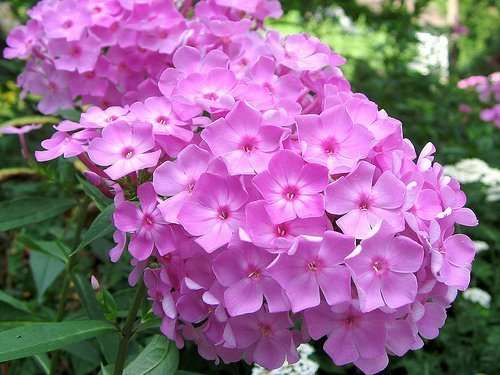
Phlox, especially in lavender tints, smell heavenly
I grow some plants that are aggressive, but some like the Macleaya can be contained in their own area with mowing. Sometimes a plant will run like wild and then dies out. I had to buy more pink Oenotheras after losing them to drought. They were so prolific at first, I pulled them out like weeds; but truly beautiful! Maybe we shouldn't worry so much about precise grooming and set sizes for groupings.
The garden is an organic thing- always changing , and our plans should wisely follow nature and not be so much about imposing our once appropriate planting plan. That is my attitude, anyway.
Sweet woodruff is one of many perennials with characteristics that are useful as "groundcovers". Since the term "perennial simply refers to the way the plant grows, there are uses in categories that we gardeners give describing how we want to use them.
Most groundcover plants are those which are tough, persistent, and "vigorous". These plants spread, so they aren't always the best companions for a flower bed, but this depends on whether the plant particularly likes your garden! That is why it is a very useful tip to have a flower bed to experiment with; a trial bed, if you will.
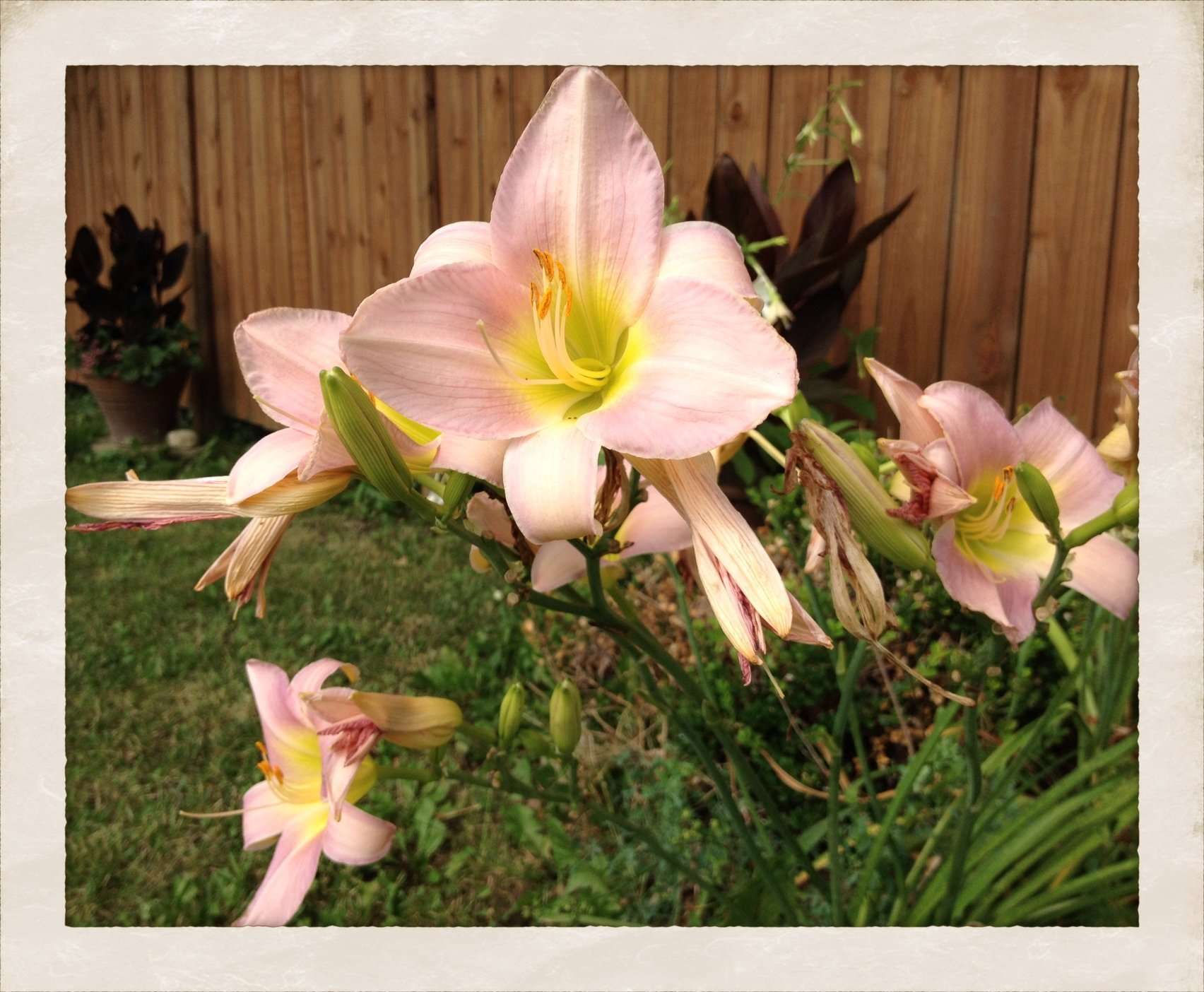
Perennials Throughout the Growing Season
Getting started with perennials
Gertrude Jekyll's advice was to have large spaces that give way to one another in what is termed 'seasonal interest', (spring blooming, summer blooming, and autumn blooming). Annuals are a better bet for all season color for modern gardeners. Placing some annuals among the perennials in the border is an effective way to keep the color going throughout the summer.
First things first: look at the area in which you would like to add some perennials. Do you want good foliage or mainly colorful flowers? Are you willing to plan for both? If you want mainly colorful flowers it is good to note that perennials have specific flowering times. If you desire bright color all season you will need several types of perennials and more than a bit of genius.
See my page on Annuals.
The best advice for an all season garden is to mix good foliage with seasonal color. There are many fine choices that do "double duty". In fact, Tracy Disabato-Aust has written a book called "50 High-Impact, Low-Care Garden Plants ", with the best garden qualities.
This is really not difficult as it may sound, but along with color coordination, combination planning is one challenge that makes gardening an addictive interest. The easiest approach is to ask yourself what you would like to see in a certain garden situation. Then go from there.
Steps to a Perennial Plan

As the name implies, perennials are long lived plants in the garden. They take their time getting started (or "settled in", as English gardeners say) and expand into their space over time.
1.
That is why the first step is to check the eventual size dimensions and give them enough space in their first years. You could plant closer than recommended and then move and divide, but to have plants looking their healthiest best, give them their space and divide on the recommended schedule. Division and replanting time depend upon the particular perennial plants requirements.
2.
I like to have a chart or a book to keep track. Because once you start planting, you just might get carried away with all the beautiful possibilities. Once a few years have gone by, it is easy to forget specific plant information. That is why it is helpful to make a garden journal.
3.
Their longevity is also reason to start out with the next step: improving your soil before putting in the plants.
4.
Armed with your garden plan and ready for the new plants, your can take the enjoyable step of buying your plants. Buying over time, perhaps adding through division of plants, you will be building your landscape with beautiful plantings for years to come.
Maintenance keeps it lovely
5.
At last, is the final step of maintaining your perennial plantings; weeding, feeding, watering, and dividing on occasion. You've arrived at the place where your garden dreams are becoming reality.
Deciding On The Design
This part of the plan goes along with the first step , but it has to do with the look of combining the plants, after growing needs, size, spread, and other considerations have been noted. Style can be centered around any type or mixture of plants. Perennials are often in borders, combined with long-lived shrubs and trees, or grouped in the landscape to accent the house.
There are so many styles of growing perennials. Gertrude Jekyll was a great plantswoman of the last century, and some of her ideas are still used today. The use of flowers that all bloom at the same time for a seasonal garden, so that there is a blast of gorgeousness at a certain point of time is an idea that is useful for modern landscapes.
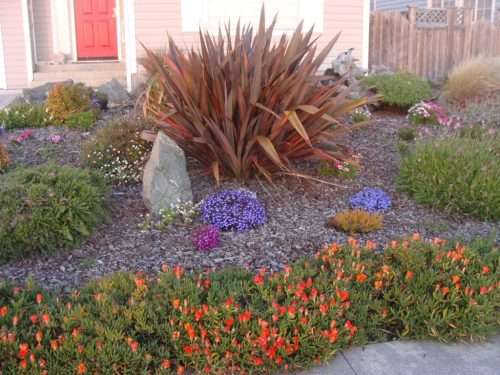
Color and personality in a Seaside Garden
Another idea is the monochrome, one color garden, or at most two colors. this type was made famous by Vita Sackville-West in her "white garden" and the famous "red gardens" at Hidcote.
Some gardeners like to specialize in just a few plant types and their companions. The rose gardens are examples of that. It can be done with daisies or lilies as easily.
Color, shape and size aren't the only variables for perennial gardening. sunshine and moisture, as for all landscape choices, are part of the equation. There are plants that tolerate dryness, that thrive in shade, and even some that do both, but most perennial flowers like some sun and they need water. Xeriscaping is the planting philosophy that utilizes the best plants for a climate, especially a dry one. the more your plants naturally like your garden conditions, the easier your garden work will be.
What I Call "Stalwarts"
There are plants I call stalwarts, though the term didn't originate with me. They are cornerstone plantings for each major point in the blooming season of a perennial garden. Strong plants, both in health and vigor and in visual impact. The rest of the flowers that bloom around them seem more like secondary players. If the Stalwart is missing, the plan has less structure and impact than if it is present.
Peonies
Not only are their blooms big and delightfully fragrant, but their foliage looks great all season long, like a small bush as a midline backdrop for later flowers. They hold sway until the roses join them, and then it is a doubled delight.
Irises
It used to be German irises were de rigueur in every real perennial border, but I think that Siberian varieties are better for modern gardeners who have less desire to give the maintainance necessary to the German types (lifting, dividing, and infestations of borers). Still, they are available in very tempting colors and are stalwarts for the sheer power of their abundant bloom in early summer.
Lilies and Daylilies
These trumpets provide color, varied heights, a contrast of flower shape, fragrance, and longevity in the garden. In the case of the daylilies the foliage is lush and usually quite healthy. Mid to late season normally, these are sometimes the only perennial a designer will build the garden around.
Coneflowers
Once almost unknown, these are probably one of the most recognizable and widely planted perennials available. They come in a number of shades thanks to breeding. Big, beautiful, colorful daisies.
Asters
You might not think of them as important, but they bloom at a time and in a color that helps to rule the early fall garden.
Chrysanthemums
Nothing outshines these flowers in their time of bloom. Few garden flowers are blooming in the fall, and those that do can hardly compete with autumn leaves. These bright, beaming beacons of colors are covered with flowers. Especially outstanding in their cushion forms.
Garden notes
- Longevity ranges from a few years to more than a person's lifetime.
- Longer term plantings mean a better initial soil preparation is important for good results. Old fashioned double digging, or adding in lots of organic material before planting.
- Plant choices depend on dryness/moisture factors, sun/shade, and climate zones in your garden.
- Some plants require fertile soil, some leaner, there are many books with plants lists for various situation needs. Plant information that mentions soil preferences also help you identify this factor.
Perennial Plants Pages
- Peonies
- Iris
- Campanulas
- Coreopsis Verticullata
- Hostas
- Phlox
- Oenothera
- Oriental Poppies
- Sedum
- Sweet Woodruff
- Threadleaf Coreopsis
- Ladybells
- Leadwort
- Achilleas
- Asters (Symphyotrichum)
- Balloon flowers
- Butterfly Weed
- Moss Phlox
- Alchemilla Mollis, Lady's Mantle
- 12 Low Growing Spring Perennials
- Echinacea purpurea
- Thyme
- Lamium maculatum
- Platycodon grandiflorus
- MANY PLANT PROFILES
I would now also add some of the stronger growing, tall garden grasses in this list. No longer do they have just a supporting role, sometimes a good looking grass plant is the star of the show.
Get The Free Newsletter
Quicklist: hints and tips
- Planted in early autumn, they will get a head start
- Benefit from added humus and organic soil amendments
- Plant in drifts of three or more plants
- Plants can be side-dressed with half made compost
- Spring planting times are midspring in Ohio. After the soil is thawed.
- Divide when over crowded, or if shortlived, when more plants are needed.


Summer Delights
 Prairie plants are hardy and drought resistant.There are many daisy forms including the famous 'Goldsturm' Rudbeckia, and theEchinacea purpurea shown here. Some of my favorite plants are in the perennial class:

Heuchera, Native Perennial for Shade
From a supporting actor in dappled shade gardens to the bright star of foliage effects, Heuchera has come a long way with many cultivars now available that are mostly grown for their showy and colorful leaves. Contents The Look The Needs Gardening Tips Fun Facts When...
10 Low Maintenance Perennials
Make Life Easier with Low Maintenance Perennial Plantings Everyone needs a list of easy to grow perennials to grow in their gardens. Even if you pride yourself on being able to pepper your landscape with plants that need coddling and are rarities, the low maintenance...

Blue Mistflower, Eupatorium Coelestinum for Late Summer and Early Fall Bloom
An unfortunate mistake has lead to the writing of this plant profile. From a start my dad had given me, I had early-on grown Hardy Ageratum (AKA Blue Mistflower, recently officially labeled 'Conoclinium coelestinum'). It survived well in a poor area of the garden...

20 Easy-to-grow Perennials to Multiply by Division
If you need more perennial plants, but must curtail your budget, learning to multiply plants that thrive with division is the answer for you. Easy to grow perennials are simple to divide, and often require this procedure every few years. Some can be divided into many...
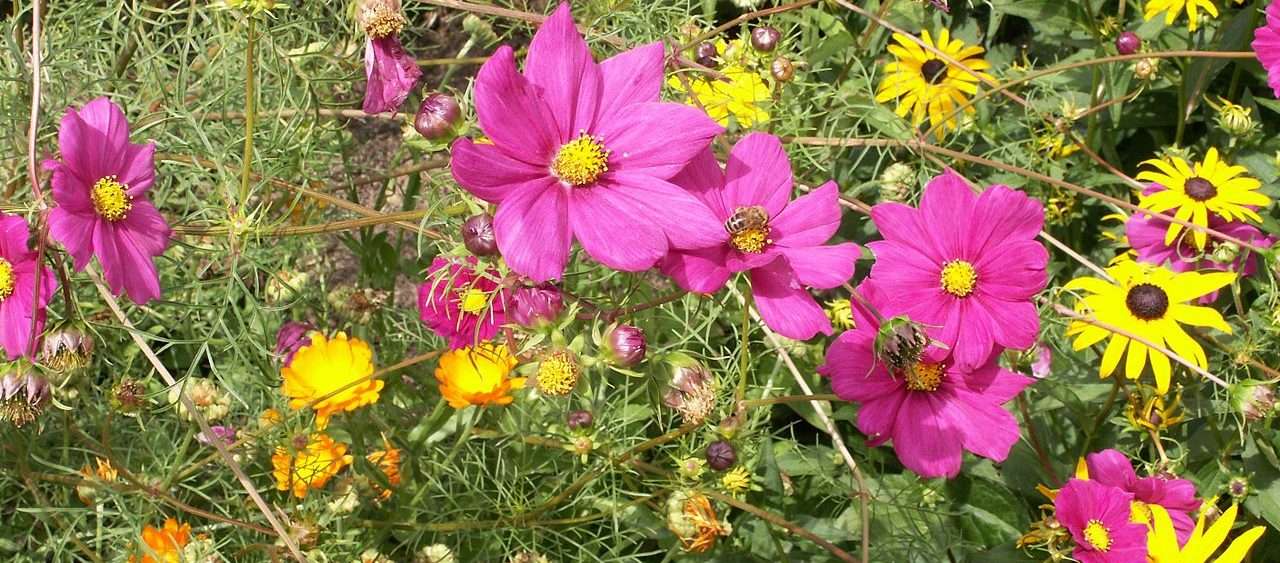
Daisy Favorites of Summer
Summer is the heyday of daisy flowers. There is such a wide array that not all the possibilities can be covered in a simple post. Favorites must be chosen. The Daisy family of flowers is one of the largest. Asteraceae or Compositae is named for the feature of their...

How to Grow Tall Garden Phlox for a Late Summer Garden
Most of the garden phlox are Phlox paniculata, although P. carolina 'Miss Lingard' is a good perennial for part-sun areas. These flowers are a stalwart in my estimation. I mean, by that, that this plant has good presence with showy bloom which dominate their time of...
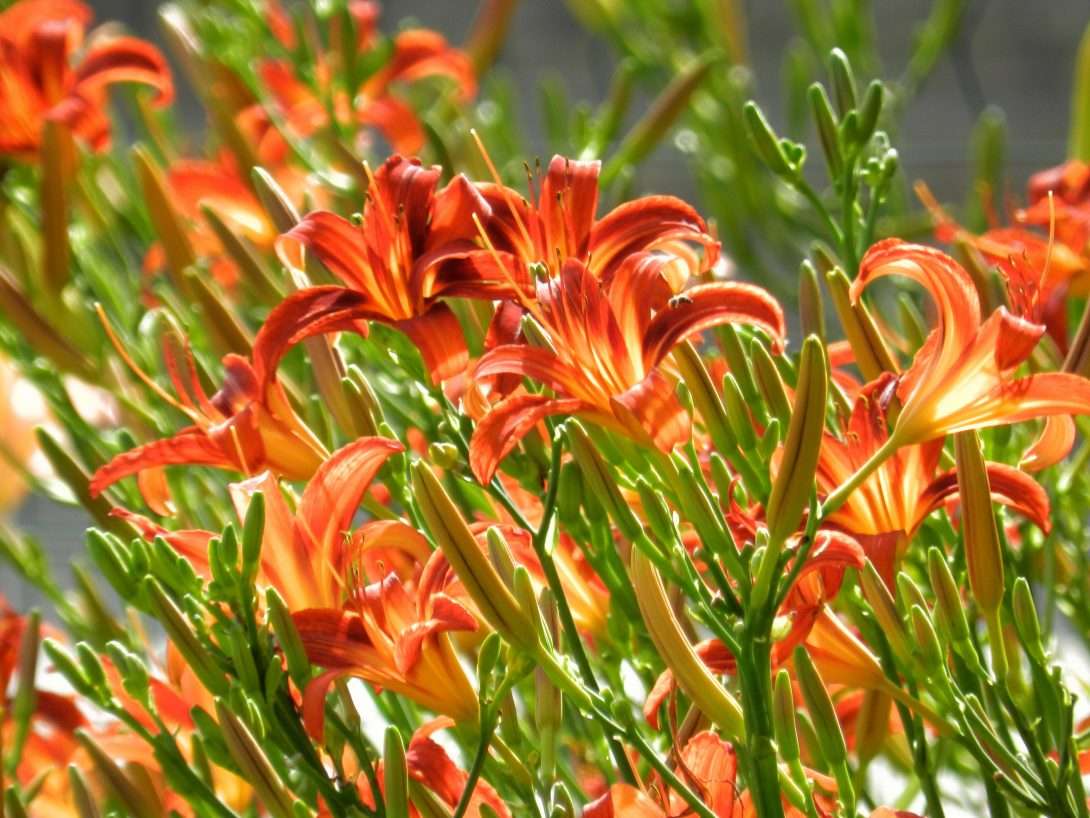
Choosing Daylilies For Dependable Summer Bloom
Daylilies are dependable. Yet, not all are created equal. Quite apart from the obvious difference in looks, there are also variations in vigor or even hardiness. Sort through the obvious disqualification a certain variety might have in your conditions before...