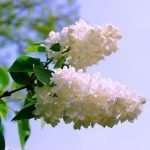
Atlanta gardeners, if you're looking for a showstopping, low-maintenance shrub that delivers year-round color, look no further than Loropetalum (Loropetalum chinense) — commonly known as Chinese fringe flower. With its cascading fringe-like blooms, stunning purple foliage, and evergreen habit, this why I see Loropetalum shrubs throughout the city.
What Is Loropetalum?
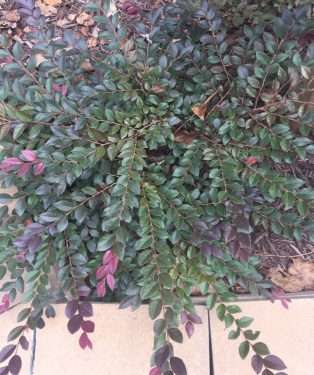
Loropetalum is a semi-evergreen to evergreen shrub in the witch hazel family (Hamamelidaceae), native to the woodlands of Southeast Asia, China, and Japan. The official name comes from the Greek words for "strap" and "petal," perfectly describing its signature narrow, ribbon-like flower petals.
While the original green-leaved, white-flowered species (Loropetalum chinense) was introduced to the U.S. in 1908, the arrival of the pink-flowering, purple-leaved varieties (Loropetalum chinense var. rubrum) in the late 1980s ignited its gardening popularity in the South. Today, there are dozens of cultivars to choose from, ranging from low-growing groundcovers to ornamental small trees.
Plant Characteristics at a Glance
| Feature | Details |
|---|---|
| Botanical Name | Loropetalum chinense |
| Common Names | Chinese Fringe Flower, Strap Flower, Chinese Witch Hazel |
| Plant Type | Evergreen perennial shrub |
| USDA Hardiness Zones | 7b–9b (Atlanta is Zone 7b–8a — perfect!) |
| Mature Size | 1–20+ ft. tall depending on cultivar |
| Growth Rate | Moderate to fast |
| Sun Exposure | Full sun to part shade |
| Soil Preference | Well-drained, slightly acidic to neutral (pH 4.0–7.0) |
| Bloom Time | Late winter through spring, with some fall reblooming |
| Flower Colors | White, pink, fuchsia, reddish-purple |
| Foliage | Green (white-flowered types) or burgundy-purple (pink-flowered types) |
| Deer Resistance | Relatively resistant |
| Drought Tolerance | Excellent once established |
Why Loropetalum Thrives in Atlanta
Atlanta is located in USDA Hardiness Zones 7b to 8a, making it an ideal home for Loropetalum. Conditions in the Piedmont area which are so good for this shrub in the landscape:
- Mild winters allow the plant to maintain its evergreen foliage year-round
- Hot, humid summers mimic Loropetalum's native woodland environment
- Atlanta's naturally acidic red clay soil (once amended for drainage) provides the slightly acidic pH that Loropetalum loves
- Adequate rainfall in most years supports establishment, though the plant is drought-tolerant once settled in
Standout Ornamental Features
Why would you choose to plant this shrub in your landscape? Because it hits all the bases in features that a gardner would wish for, including showy bloom, colorful foliage, and interesting form. This makes it an all season type of planting.
? Flowers
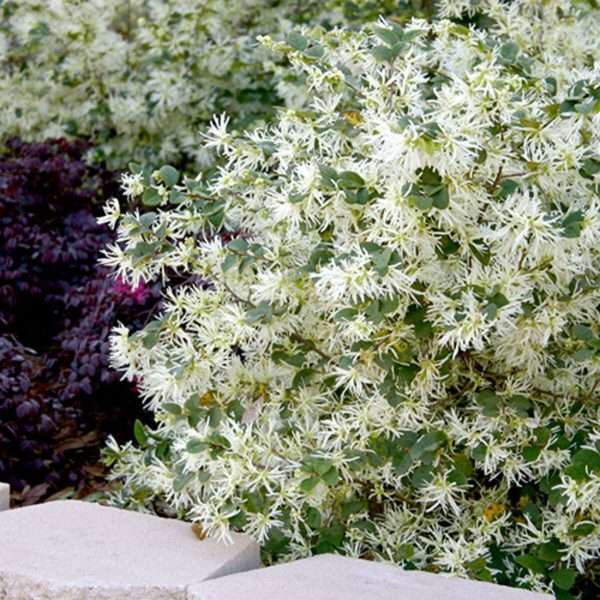
Loropetalum produces clusters of delicate, fringe-like flowers (why it's called "Chinese Fringe Flower"). Blooming in late winter to early spring — when signs of flowering appear round about the city. Depending on the cultivar, blossoms range from pure white to hot pink to deep reddish-purple. Many varieties also produce a lighter secondary bloom in fall.
? Foliage
The purple-leaved varieties are the real stars. New leaves emerge in rich burgundy-to-reddish-purple tones, and the best cultivars maintain that deep color throughout the entire growing season. The contrast of pink flowers against purple foliage is truly stunning.
? Form & Bark
Loropetalum has a natural, graceful arching habit with layered branching. Mature specimens reveal beautiful peeling, exfoliating bark on the trunk, adding winter interest when lower limbs are removed to create a tree-form appearance.
Best Loropetalum Varieties for Atlanta Gardens
Compact & Dwarf (Under 4 ft.)
| Cultivar | Height × Width | Key Features | Shop Online |
|---|---|---|---|
| Purple Pixie® | 1.5–3 ft. × 3–4 ft. | Weeping, lowgrowing, groundcover habit; hot pink flowers; dark purple leaves | Buy Purple Pixie |
| Jazz Hands® Mini | 1 ft. × 3 ft. | Pink flowers; dark purple foliage; true dwarf | Buy now |
| Cerise Charm™ | 3–4 ft. × 3–4 ft. | Pink flowers; deep reddish-purple leaves all season | |
| Jazz Hands® Dwarf White | 3 ft. × 3 ft. | White flowers; green foliage; mounding form |
Mid-Size (4–8 ft.)
| Cultivar | Height × Width | Key Features | Shop Online |
|---|---|---|---|
| Ever Red® ('Chang Nian Hong') | 6 ft. × 6 ft. | Red flowers; dark burgundy leaves that hold color all summer | |
| Darkfire | 5–6 ft. × 5–6 ft. | Pink flowers; very dark purple leaves even in summer heat | |
| Cherry Blast | 6 ft. × 6 ft. | Reddish-pink flowers; dark purplish-red leaves | |
| Emerald Snow® | 6 ft. × 6 ft. | Abundant white flowers in spring AND fall; green foliage |
Large (10+ ft.)
| Cultivar | Height × Width | Key Features | Shop Online |
|---|---|---|---|
| Burgundy | 14 ft. × 14 ft. | The classic; hot pink flowers; reddish-purple to olive-green leaves | |
| Zhuzhou Fuchsia | Up to 30 ft. | Most treelike and cold-hardy; deep pink blooms; dark maroon foliage | |
| Crimson Fire™ | 10 ft. × 10 ft. | Bright pink flowers; reddish-purple foliage year-round | Buy now |
| Purple Diamond® | 15 ft. × 15 ft. | Pink flowers; deep purple leaves all summer | Buy on Amazon |
Growing Tips for Atlanta Gardeners
?? Light
Plant in full sun to partial shade. At least 4 hours of direct sunlight per day is essential for the best leaf color and heaviest flowering. In Atlanta's hot summers, a spot with morning sun and afternoon shade is ideal, especially for smaller cultivars.
? Soil & Planting
- Amend Atlanta's soils with organic matter like compost, aged pine bark, or leaf mold to improve drainage
- Loropetalum thrives in slightly acidic soil (pH 4.0–7.0) — Atlanta's clay is often naturally acidic, which is a plus
- Dig a hole twice as wide and as deep as the root ball
- Keep the top of the root ball at or slightly above soil level — planting too deep can cause root rot
- Best planting time in Atlanta: Fall (October–November) or early spring (March–April)
? Watering Needs
- Water deeply and regularly during the first growing season to establish a strong root system
- Once established (after 1–2 years), Loropetalum is remarkably drought-tolerant
- Avoid overwatering — soggy soil and constantly wet roots are the plant's biggest enemy
- Water deeply during prolonged dry periods in Atlanta's summer heat
? Mulching for Moisture
- Apply 2–4 inches of pine straw, shredded bark, or aged wood chips around the base
- Keep mulch a few inches away from the trunk to prevent moisture-related disease
- Mulch helps conserve moisture, moderate soil temperature, and maintain acidic soil conditions
? Fertilizing Fringe Flower Shrubs
- Feed with a balanced, slow-release fertilizer or an acid-loving plant fertilizer in early spring
- A second light feeding in early summer can boost growth
- Avoid over-fertilizing, which can cause leggy growth and reduce flowering
- Pine straw mulch naturally contributes to soil acidity as it breaks down
?? Pruning Loropetalums
- Prune after spring flowering (typically late spring to early summer)
- Loropetalum blooms on old wood — pruning at the wrong time removes next season's flower buds
- For hedges, Loropetalum tolerates shearing well and can be shaped into formal hedges, topiaries, or even espalier forms
- Remove no more than 1/3 of the plant at a time
- If a plant has outgrown its space, you can renovate it by cutting stems back to within 6–12 inches of the crown
Common Problems & Solutions for Loropetalum Bushes
Yellowing Leaves (Chlorosis)
- Usually caused by alkaline soil (too high pH)
- Test your soil and amend with elemental sulfur or an acid-loving plant fertilizer
- Can also indicate overwatering or poor drainage
Leaf Color Fading to Green
- Common in varieties that are supposed to stay purple
- Typically caused by too much shade — move to a sunnier location or thin overhead trees
- Can also result from nutrient imbalances — try an acid-loving fertilizer
Bacterial Gall (Olive Gall)
- Caused by Pseudomonas savastanoi — the most serious Loropetalum disease
- Look for knobby galls on stems and trunks
- Prune infected branches several inches below the gall and sterilize tools between cuts (10% bleach solution)
- Severely affected plants should be removed and destroyed
- Always purchase healthy, gall-free plants from reputable nurseries
Pests
- Generally pest-free, but watch for spider mites, aphids, and scale during hot, dry summers
- Knock off pests with a strong spray of water; use horticultural oil or insecticidal soap for persistent infestations
- Avoid broad-spectrum chemical pesticides that harm beneficial insects
Creative Ways with Loropetalum Shrubs in the Garden
I have seen this shrub planted as a barrier between sidewalk and a steep sloping yard (mid-size shrubs), and as a low growing ornamental in other situatlons. It seems to be a tough street side planting that looks good year round and takes hard hedging. Normally, my own preference is for judicious use of purple leaved shrubs, as I find them dark and heavy looking when planted in large blocks, but that is just mu personal preference.
Loropetalum is incredibly versatile in the Atlanta landscape. Because of the various sizes, landscape with the Fringe Flower bushes in these ways :
- ? Foundation plantings — Use mid-size cultivars along the front of your home
- ? Specimen or focal point — Train a 'Zhuzhou Fuchsia' into a stunning small tree. In Atlanta, keep away from the power lines.
- ? Privacy hedges & screens — Plant 'Burgundy' or 'Purple Diamond' 4–6 feet apart
- ? Mixed borders — Pair purple-leaved varieties with green and gold plants for dramatic contrast. Or go more subtle, pairing with silver leaved foliage. Remember that purple leaves tend to visually recede.
- ? Container gardening — Dwarf varieties like 'Purple Pixie' thrive in pots on patios and porches. This is one easy way anyone can grow this charming shrub ( especially the Purple Pixie variety.
- ?? Slope plantings — The weeping habit of 'Purple Pixie' helps control erosion
- ? Espalier — Train against a wall or fence for a living work of art. This would be ideal for next to a driveway, but be mindful of the amoutn of regular pruning for an espalier.
Atlanta Seasonal Care Calendar
| Season | Tasks | Optional |
|---|---|---|
| Early Spring (Feb–Mar) | Enjoy peak bloom! Apply slow-release fertilizer. Plant new shrubs. | Mulch for the season |
| Late Spring (Apr–May) | Prune after flowering fades. Watch for new growth. | |
| Summer (Jun–Aug) | Water deeply during dry spells. Monitor for pests. Second light feeding in early June. | |
| Fall (Sep–Nov) | Enjoy potential rebloom. Excellent time to plant new shrubs. | Refresh mulch. |
| Winter (Dec–Jan) | Admire evergreen foliage and exfoliating bark. Protect young plants during rare hard freezes with extra mulch. | Add mulch for winter season |
Final Thoughts
Loropetalum is one of the most rewarding shrubs you can grow in Atlanta. Its combination of vibrant flowers, year-round foliage color, drought tolerance, and low-maintenance care makes it a true workhorse of the Southern garden. Whether you're lining your driveway with a formal hedge, adding a pop of purple to your foundation planting, or tucking a dwarf variety into a container on the porch - this is a dependable , tough, yet attractive choice.
I am considering putting the Purple Pixie Loropetalum near my mailbox ( which is one of my few sunny spots. The fact that it is deer resistant makes this a contender for that mostly full sun real estate in my yard. *deer resistant does not mean deer proof- especially with new plants.
Available in your local Atlanta garden center, the spring planting season is a great time to check out the selections, and fall is always a good season to plant in the South. While most areas will probably have these shrubs in stock, you can also purchase specific cultivars online.
Happy gardening, Atlanta! ?