Light requirements for plants are listed in all the resources, but what is meant by "Full Sun, Partial Sun- Partial Shade, Dappled Sun, Full Shade" designations for sunlight?
Why Sunlight Conditions Are Important

Knowing which situation is best for your plant can mean the difference between thriving, surviving, or loss. Plants have environment needs that help them thrive in their natural habitat.Â
Light Definitions
The amount of light reaching your proposed flower bed or shrubbery spot is determined by many factors. Buildings casting shade, overhanding trees or trees that block or filter light, the path of the sun during a season, etc. are some of the the factors that create light conditions in your garden.Â
What is meant by the terms listed on your planting instructions? How do you measure which one describes your planting area?
Hours of Sunlight
The number of hours that sun shines directly on the spot in your yard will determine whether it qualifies as full sun.

Full sun is usually six hours sunshine during the daytime: morning or afternoon, or combination of the two.Â
Part Sun is three to six hours of afternoon or morning sun. Some plants do better shaded from the hot afternoon rays, and that might be designated as "Part Shade" instead.Â

Dappled Sun is the effect of light filtering through a leafy canopy. Spots of sunlight intermixed with softly shaded ground.
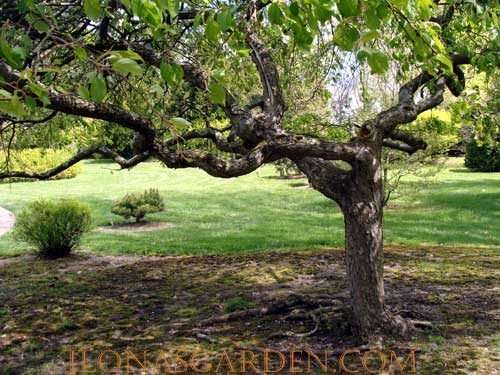
Full Shade is less than three hours of sun. Perhaps a north exposure of a building with an overhanging roof, large shade trees or evergreens which block most of the direct daylight sunshine. However the reason, the light is filtered, not direct sun.

Pairing Plants and Garden Conditions
Paying attention to light requirements helps to grow healthy plants. Too much sun for those sensitive to it could result in scorching of the leaves, or wilting.
Too little light for plants results in leggy plantings that are starved for sun, they may live, but not bloom, or simply disappear after struggling a season or two.
The happiest situation is to understand whether you have "Full Sun, Partial Sun- Partial Shade, Dappled Sun, or Full Shade" and choose the right plants for that part of the garden.

Most landscaping resources whether they are tags on shrubs, plant labels stuck into the pots, or a bookshelf reference guide will give many alternatives for those which will thrive in your landscape.

"American Horticultural Society Encyclopedia of Gardening" is an excellent resource guide
Now that you understand sunlight conditions, be sure to check other considerations such as moisture and drainage needs, and soil pH. Oh yes, hardiness and soil type might be on the list, too.
Who said garden planning would be boring? Not me!