Growing vegetables isn’t hard, in fact they are quite easy when a few simple steps are followed. While you may want to read the more advanced instruction on growing specific plants well, or cultivating gardening skills, this overview will reduce the steps to a few simple things necessary for vegetable garden success.
Choose a Sunny Spot for Garden Success
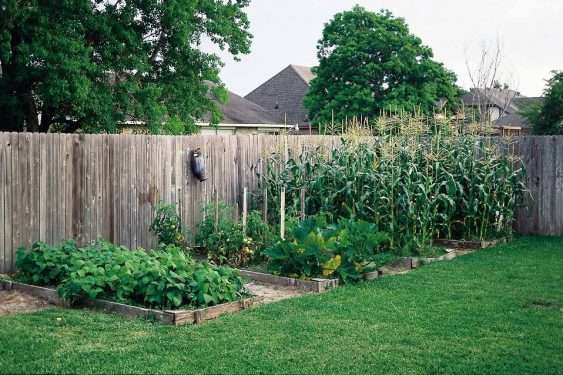
Moisture can be procured, fertility can be added, but there is no remedy for too little light. Most vegetable crops need full sun to grow well. So whether you are growing in containers, on a balcony, or in a patch of ground, be sure that there is at least six hours of sunlight reaching the plantings.
Want to know more about light conditions in your yard? Read more…
Gather Supplies
- Do you need tools? Digging tools and cultivators like hoes are needed for building and maintaining your veggie plot.
- Soil amendments such as compost, aged cow manure, or lime are added when digging the soil.
- Any plant markers or supports like cages or trellis made ready to use when planting seeds.
- Seeds and plants, of course.Choose the seeds which grow in situ (planted directly). Crops like tomato or pepper are grown from started plants because of their long growing seasons requirements.
Prepare Your Ground for Garden Success

Dig with a round tip shovel
When planting seeds, the ground should be well prepared, and even transplanted starts will benefit from soil with good tilth. Remove sod and weeds, dig up the soil to a depth of about a foot, add any soil amendments, rake smooth.
For more on starting a home garden, read here.
I like to start with a shovel, then use a garden fork to break up the soil and turn it. A garden rake is used to remove stones and clumps and smooth the ground for seeds.
Consider using edging to control grass from creeping into your new garden.
Dimex EdgePro Plastic Heavy Duty No-Dig Edging Kit, 100-Feet (3100-100C)Planting Is The Fun Part

planting seeds photo by pictoscribe on Flickr
Once the ground is prepared, and any fertilizer or compost dug in, it is time to plant. Success in growing vegetables comes from many efforts, but start out right by planting the taller plants where they will not shade the shorter ones.
Follow directions on seed packets to place seeds the right depth. Be sure to thin out extras after they sprout.
Don’t Neglect The Growing Garden
- This point is where the gardener makes or breaks their harvesting success:
- Continue to weed, water, and tend the vegetable plot. Especially when the summer heats up, it is important to provide adequate moisture, and keep weeds under control.
- Attending to weeding daily is the best practice, but weekly at the least. Don’t let big weeds get established, or (God forbid) seed into your well prepared garden soil.
- Mulching practices such as dust mulching can help. Read more, here.
- For easy, conservation-savvy, watering consider a soaker hose. It seeps moisture into the ground over a longer period of time, without losing to evaporation. Deep soaking at intervals is better for plants and is less conducive to disease. Which means better success in the vegetable garden.
Cold Hardy Vegetables
| Asparagus | Beets |
| Cabbages | Broccoli |
| Leeks | Carrots |
| Lettuces | Parsnips |
| Onion | Potatoes |
| Peas | Swiss Chard |
| Radishes | Celery |
| Spinach | Cauliflower |
| Parsley | |
| Rutabaga |
Can be planted before last frost date.
Very Hardy / Hardy
All That’s Needed
All that is needed for vegetable garden success Is to harvest your crop regularly and enjoy eating your produce. Following these simple practices should lead to an enviable edible garden yielding plenty of tasty dishes for your table.