When I bought trees and shrubs from garden catalog orders, often they were shipped as bare root plants. While we are placing the orders, and dreaming of our garden plans on the cusp of Spring, I thought a brush-up on tips that help make those plantings a success would be in order.
Bare Root Dormant Trees
Trees are shipped dormant. That means they are still asleep from the winter hibernation that starts when they have hardened off and their leaves fall. That is the ideal time to plant the tree, when there is little to be lost through transpiration and the roots may make their optimum growth.
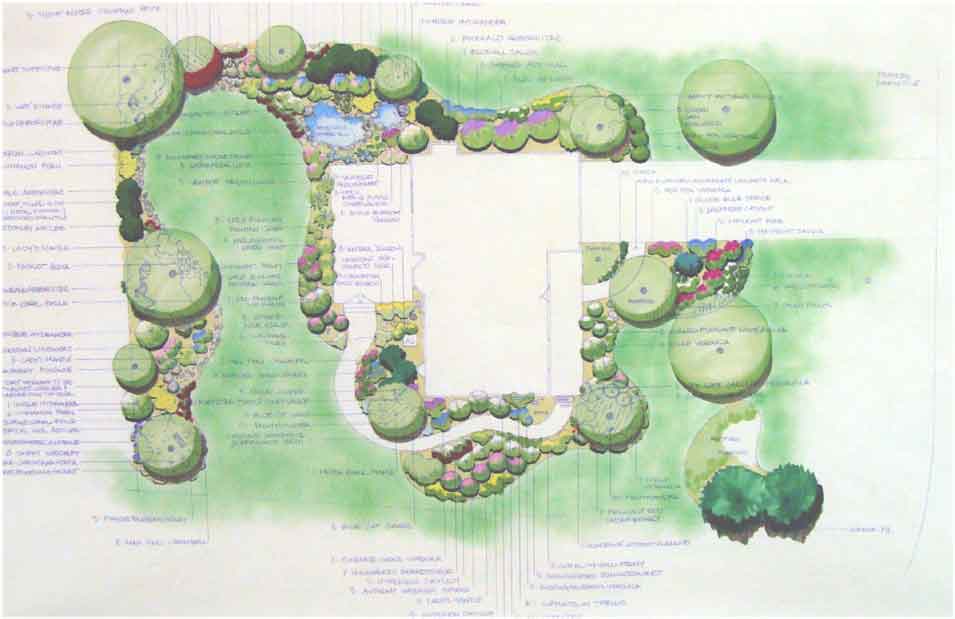
Ideally, the plan ought to be made for the position of each item ordered. Create notes and even a grid drawing of where the plants will go.
First Things First
Hopefully you know where you want to put your new trees and shrubs, but if you haven’t decided, read this: Positioning Trees In Your Garden
Once the plan has been made, as soon as the ground is thawed and ready to work dig the holes ahead of time. This isn’t mandatory. In fact, few chores must be done in certain ways or times, but it could be very advantageous to be prepared for popping new arrivals quickly into the ground. And spring planting of woody plants is one of those tasks that would greatly benefit from such preparations.
 How to dig a hole is instruction on the best possible way to dig one or many holes for your new trees.
What about when your order arrives?
5 Planting Steps To Follow
- First thing is to unwrap the package. If all is prepared and you are soon to plant, put the bare roots into a bucket of cool water and moisten them, let them soak for an hour or so; even overnight is okay. Otherwise just make sure they are slightly moist.
- Cut away bindings, broken roots, broken branches, tall whips can be reduced somewhat when first planted, up to a third off.
- With bare roots there is usually a central mound made inside the garden hole on which to sit the plants with the roots arranged downward upon it. There is a part of the trunk called “the collar” where it rises from the soil, it usually shows signs of having been under the soil with a darker appearance. Try very much to plant that collar at the level of the surrounding soil.
- Fill in with good soil, water in about halfway to top, fill in with the rest of the soil and “mud in” (make sure no air pockets remain). Tamp down lightly.
- Although not mandatory, a light mulch will keep down weeds and conserve moisture. Don’t mound it around the trunk, leave breathing space for the root flare.
There! Finished.
This is a good way to plant any bare root purchase, tree, shrub, or bare-root roses; even perennials.
Create an urban forest?
Tips For Trees
- Keep new saplings well watered throughout the coming growing season.
- Make a small moat depression around the verge of the tree circle to catch rainwater and hold moisture for the new roots.
- Mulch to retain moisture, but not too deeply and not in a “volcano mound”, Do not cover the collar of the tree.
- I’ve used transplant fertilizer solution with good success, but it isn’t critical.
Watch this video and at about 7:49 is an excellent how-to demonstration of planting a bare root shrub. From the English, of course, garden enthusiasts of renown.
“If you plant in the autumn, a plant is going to get established, rooted in before the worst of the winter…ready to tear away in the spring”
Video and illustrations for planting bare root trees.
feature photo by esagor on Flickr