Bringing beneficial insects into the garden is only part of the story. Attracting good bugs and keeping them there to control pests or pollinate plants is an important part of organic gardening practice.
What Types of Insects Benefit The Garden?

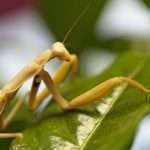
- Praying Mantis devour many bugs, including moths, flies, and grasshoppers.Â
- Lady Bugs eat aphids, corn ear worm, mealy bugs, scale, and leaf hoppers.
- Minute Pirate Bugs: spider mites, insect eggs, aphids, thrips, and small caterpillars.
- Ground Beetles: asparagus beetles, cabbage worms, Colorado potato beetles, corn earworms, cutworms and slugs.
- Trichogamma wasp: Cabbageworm, Tomato Hornworm, Corn Earworm, Codling Moth, Cutworm, Armyworm, Webworm, Cabbage Looper, Corn Borer, Fruitworms, and Cane Borers
- Dragonflies and Damselflies: predators of mosquitoes and moths
- Garden spiders:Â all kinds of insects
- Lacewings: help control mites, aphids and white fly nymphs

How To Attract A Beneficial Insect
Realizing that living organisms grow best in certain environments, it makes sense that the right conditions will attract good bugs to your yard.
Avoid Pesticides
The first rule is to eliminate poisons that will kill them, along with the pests you are hoping to target. Broad spectrum pesticides are the worst. which kill all insects pest and pollinator alike. Remember that pesticides are also toxic to pets and humans.
Can I use any controls?
Consider using oils and insecticidal soaps to control pests, entrapment (yellow tape or pheromone based bag traps, etc. ) will help keep pest populations down.
Providing Host Plants
Besides avoiding toxic chemicals, attraction of beneficial insects includes supporting their life cycles with an environment of the right plants.
Those who create Butterfly or Bee gardens become aware of planting for the complete life cycle of their intended visitors. From egglaying to caterpillar or pupae, to adult insect, plants which host favored insects will keep them resident in your garden.

Many of these plants are highly ornamental: coreopsis, coneflowers, sunflowers. Others are important mainly for the insects they support: milkweeds. Some are plants shared with you, such as dill weed and parsley.
Native Weeds Harbor Insects
Native weeds will also provide fodder or hosting for desirable insect predators. I have often found praying mantis egg cases on weed stalks. Consider a less tidy garden with a place for these weeds, and leaf debris. It will help nurture a wildlife friendly environment. Birds species rely on insects as a food source, too.
A Good Environment for Good Bugs
- Don't use poisons, but if you must, use targeted, organic formulas.
- Plant host plants
- Allow some weedy areas
- Tolerate nature's imperfections
- Learn to recognize your garden allies, spare them.